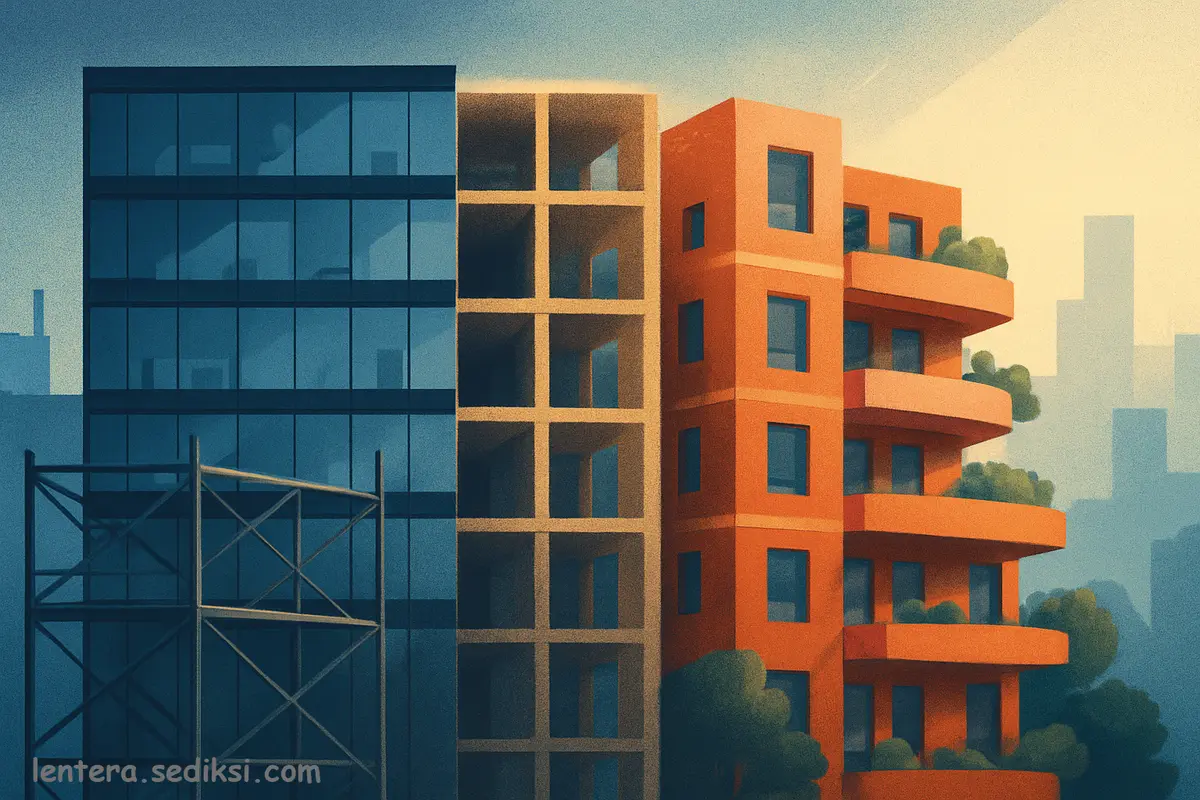
How to convert an office building into residential units is a timely topic for developers and city planners alike. When markets shift and vacancies rise, adaptive reuse can unlock value and create much-needed homes. The process blends architectural problem-solving with strict safety, zoning, and financing realities, making a robust feasibility plan essential from day one.
Feasibility and planning
Start with a comprehensive feasibility study that examines market demand, potential unit mix, and density targets. Review the building’s structural core, floor plates, and vertical circulation to determine how much scope exists for new residential layouts. Evaluate daylight, acoustic performance, and the potential for creating inviting common spaces.
Next, assess retrofit needs beyond cosmetic updates. Office floors often have large, inefficient slabs that require re-balancing with corridors, bathrooms, and kitchens. Consider mechanical, electrical, and plumbing constraints early, as these systems drive both cost and schedule.
Finally, weigh site-specific advantages and risks. Proximity to transit, neighborhood amenities, and parking policies influence unit economics. Include potential incentives, such as grants or tax credits for mixed-use or affordable components, and outline a staged budget that accounts for contingencies.
Zoning, codes, and permits
Zoning compatibility is the gatekeeper for a successful conversion. A residential conversion may require rezoning, a change of use, or variances, depending on local rules. A planning consultant can map out the approvals needed and estimate timeline and risk.
Vertical circulation and life-safety are critical. Buildings converted from offices may need new elevators or upgraded egress stairs, fire separations, and sprinkler coverage to meet residential standards. Utilities and plumbing must be retrofitted to support multiple dwellings, with attention to water heating, waste lines, and hot water demand.
Accessibility and energy codes are non-negotiable. Compliance with ADA provisions and local energy performance requirements ensures long-term viability and tenant appeal. Permitting processes typically involve coordinated reviews by planning, building, and fire departments, plus inspections at multiple milestones.
Design, construction, and systems
Design strategies should preserve structural elements that make sense for reuse while carving out efficient unit layouts. Create modular cores for plumbing and kitchens to minimize disruption across floors. Leverage daylight and views through window retuning and balcony integration where feasible.
MEP modernization is a major cost driver. Move to safer electrical systems, upgrade HVAC for multi-unit comfort, and install scalable fire protection with clear separation between units. Sound isolation between units and common areas improves livability and resident satisfaction.
Adaptive reuse also means facade and envelope upgrades. Replacing or refining windows, adding insulation, and refreshing exterior materials can dramatically improve energy performance. Sustainable choices, such as energy-efficient lighting and smart controls, add long-term value and market appeal.
Financing, timelines, and operations
Costs vary with building age, condition, and location. Common budget lines include demolition and alteration, core upgrades, MEP modernization, and finishes. Financing options range from value-add loans and construction-to-perm structures to potential tax incentives for affordable housing components.
A realistic timeline blends feasibility work, approvals, design, permitting, construction, and commissioning. In practice, 18 to 36 months is a typical range, with complexity and market conditions shaping the pace. Early engagement with lenders and investors helps align project scope with funding milestones.
Tenant strategy matters. A well-planned mix of unit sizes, rental terms, and amenities reduces vacancy risk and accelerates stabilisation. Ongoing operations require building management that can handle multi-family needs, from maintenance scheduling to lease administration and resident services.
In sum, converting an office building into residential units is about balancing architectural possibility with regulatory discipline and smart capital strategies. When approached with a clear plan, the retrofit not only adds housing stock but also creates a refreshed, enduring asset that serves communities for years to come.