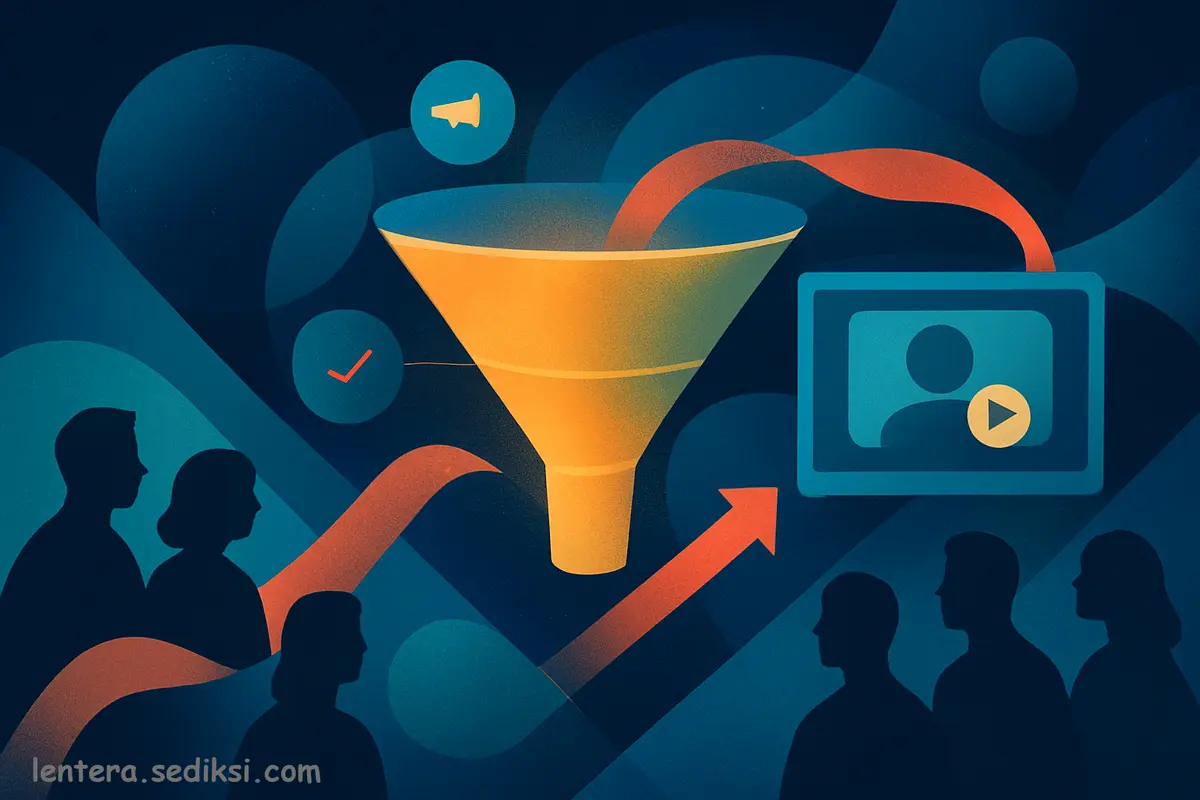
A high-converting webinar funnel starts long before the registration page goes live. It hinges on a clear problem you’re solving, a promise that resonates, and a path that guides attendees from curiosity to conversion. When these elements align, your webinar becomes not just a talk, but a structured experience that moves people toward a specific outcome.
Define your audience and offer
Start by identifying who will benefit most from your webinar and what outcome they desire. Build an avatar, map their pain points, aspirations, and typical objections, and validate these insights with a quick survey or past attendee feedback. This clarity shapes your topic, headline, and the tangible result you promise.
Craft a clear promise and a transformative agenda. Choose a specific outcome, quantify results when possible, and outline a tight, actionable sequence that promises practical steps. A crisp promise like ‘double your leads in 30 days’ energizes attention and sets expectations.
Build the registration experience
The registration page is the first impression people have of the funnel. Write a headline that speaks to the outcome, not the feature, and use a subhead that reinforces credibility. Keep the form short—name and email at most—and add social proof, a reminder of the value, and a calendar-friendly CTA.
Pair a compelling visual and a concise bullet list of what attendees will learn. Test different hero images, button copy, and scarcity triggers like a registration deadline. Ensure privacy assurances and mobile-friendly loading times to reduce friction.
Craft a high-value webinar experience
Structure and engagement: design a 60-minute experience that delivers momentum from the first minute. Start with a gripping hook, then deliver three actionable sections, followed by a live Q&A. Use slides with clean typography, data visuals, and a story arc that makes complex ideas feel practical.
Include interactive moments: polls, quick exercises, and anchor questions to surface needs and objections. Close sections with a recap and a clear bridge to your offer. A thoughtful on-screen CTA that relates to the promised outcome keeps attendees focused and reduces drop-off.
Post-webinar follow-up and funnel velocity
Post-webinar follow-up and funnel velocity: the real leverage happens after the last slide. Send a thank-you note immediately, share a concise replay link, and deliver a high-value resource that extends the learning. Use a 24–72 hour sequence to reinforce the promise and invite the next step.
Segment your follow-ups by attendee behavior. Those who watched most of the session deserve a deeper offer; those who registered but dropped early may need a softer, value-first path. Include social proof, case studies, and a deadline-driven CTA to book a consult or access a limited-time offer.
Metrics and optimization loop
Metrics and optimization loop: define the core metrics that indicate funnel health—registration rate, attendance rate, engagement during the webinar, and post-webinar conversion rate. Track these metrics over time to spot patterns and drift. This data informs every adjustment you make to landing pages, emails, and on-air delivery.
Run rapid experiments and iterate: test headlines, timing, and the length of the presentation. Use small A/B tests on landing pages, reminder emails, and the value ladder you present at the close. A disciplined, data-informed approach turns a good webinar into a predictable revenue driver.